Science that changes the world

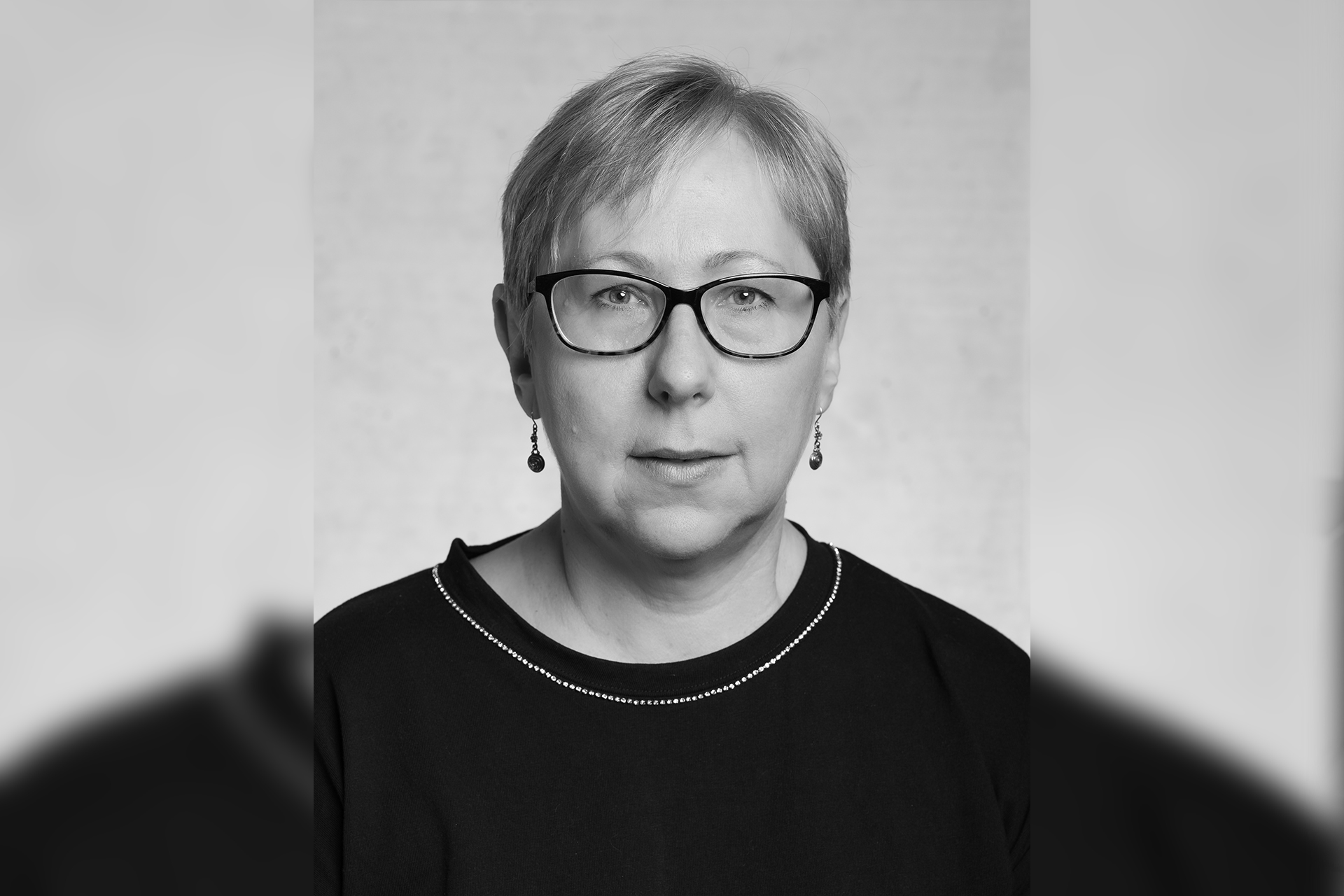
Ing. Lenka Lacinová, Ph.D.

Specialisation: Analytical chemistry – inorganics, in particular instrumental methods, retired senior researcher
...

From analyst to researcher to civil servant, or whatever I was, I was happy :-D

I started my studies at a time when the choice of school was not entirely free, and the University of Chemistry and Technology was my second choice. Gradually, however, I discovered the system, logic, and wide range of applications in chemistry. I was fascinated by glass, but in the end I found my calling in analytical chemistry. After 17 years in a commercial laboratory, I was looking for a change and started working with the remediation divisions at AQUATEST on laboratory and semi-operational tests. This led me to TUL in Liberec, where I have been involved in building a new laboratory at the Faculty of Mechatronics since 2006. We worked on testing nano-iron for remediation technologies, tried combining it with biological methods, and tested other methods for cleaning groundwater and wastewater as part of the NANOBIOWAT project and others. Being there at the birth of a new laboratory was great—creating, testing colleagues' ideas, and getting closer to hydrogeology. In the meantime, I was studying for my doctorate and the laboratory was growing until we moved to CXI, where an accredited analytical laboratory was established.

I gradually took on the role of quality manager, which meant overseeing analytical practices and documentation. My involvement in projects gradually decreased until, in 2021, I wrote my last final report and returned to instrumental analysis. Covid arrived, along with challenges related to rising costs, but the laboratory persevered. In 2023, I accepted an offer to become the head of the laboratory, which today means managing operations, dealing with customers, and overseeing quality—last year, we successfully passed reaccreditation. Today, I am almost 100% an administrator, occasionally acting as a CIA auditor, and I only get to the laboratory on rare occasions as a "reward." Sometimes I miss the daily routine of laboratory work – and who knows where life will take me next...

Key projects and achievements:

PROJECTS: co-investigator

  • Environmentally friendly nanotechnology and biotechnology for water and soil purification, (NANOBIOWAT), TE01020218
  • Well regeneration – new methods of targeted regeneration, regeneration monitoring, and preventive systems for diagnosing well condition (REGENERATION 2+), TH02031034
  • New technologies and materials for groundwater purification using biogeochemical processes (BIOGEOCHEM), TH01030851
  • Development of combined nano-bio technology for the remediation of chromium contamination (NANO-BIO-REM), TA01021792

RESULTS ACHIEVED

  • Proven technology:: Proven technology for controlled well regeneration, preventive monitoring systems, and monitoring after regeneration (REGENERATION 2+), 2020
  • Utility model:Preparation for chemical and biological regeneration of water wells, registered with the Industrial Property Office under No. 33464, (REGENERATION 2+), 2019
  • Proven technology:: Technology using iron nanoparticles with biodegradable shells for groundwater purification through a combination of nano-bio processes, TE01020218(NABIOWAT), 2019
  • Proven technology:: Biofer-rem remediation technology for the biogeochemical transformation of chlorinated ethene in groundwater TH01030851 (BIOTRANSFORMATION), 2018
  • Funkční vzorek: Biofer-m remediation agent for promoting the biogeochemical transformation of chlorinated ethene in groundwater, TH01030851 (BIOTRANSFORMATION), 2017

PUBLICATIONS:

  • J. Němeček, P. Pokorný, L. Lacinová, M. Černík, Z. Masopustová, O. Lhotský, A. Filipová, T. Cajthaml, (2015), Combined abiotic and biotic in-situ reduction of hexavalent chromium in groundwater using nZVI and whey: A remedial pilottest, J. Hazard. Mater., 300, 670-679.
  • L. Lacinová, M. Černíková, J. Hrabal, M. Černík (2013), In-situ Combination of Bio and Abio Remediation of Chlorinated Ethenes, Ecol Chem. Eng. S.,20(3), 463-473.
  • Lenka Lacinová, Petr Kvapil, Miroslav Černík (2012), A field comparison of two reductive dechlorination (zero-valent iron and lactate) methods, Environmental Technology,33:7, 741-749,
  • ● Chapter in a monograph: ČERNÍK, M., et al. Chemically assisted in situ remediation technologies. Praha: VŠCHT, 2010. ISBN 978-801-7080-767-5.